Writers often forget that short horror isn’t a miniature novel. It’s a controlled strike. You don’t have the luxury of meandering subplots, elaborate lore, or three chapters of setup. In short fiction, the story lives or dies on whether you choose one fear and push it to its limits.
Here’s why that single, brutal focus matters.
1. Horror Falls Apart When It Tries To Do Too Much
Trying to juggle too many ideas in a short story waters everything down.
A ghost, a curse, a traumatic backstory, a twist, and a symbolic message? All in 1,500 words? No chance.
Short horror needs clarity.
Pick one terrifying idea and commit to it without flinching.
Readers don’t want a tasting menu, they want one course, perfectly seasoned and unforgettable.
2. A Single Fear Allows Atmosphere To Hit Harder
Atmosphere is the backbone of horror, but in short fiction you can’t spend pages building it.
You need focus.
If the story is about paranoia, then every detail should throb with doubt.
If it’s about body horror, then the smallest sensory detail should make the reader flinch.
If it’s about being watched, then the setting, dialogue, and imagery all tighten around that one fear.
Concentration strengthens unease.
Dabbling weakens it.
3. It Gives Your Protagonist a Clearer Path
Short horror works best when the character’s struggle is direct:
Escape the room
Open the door — or don’t
Confront the thing in the mirror
Survive the night
Resist the urge
Tell the truth
When the protagonist has one problem, the reader follows every beat without confusion. The tension climbs naturally because there’s only one direction the fear can go: up.
4. The Twist Hits Harder When the Story Has a Spine
Great short horror often ends with a punch — a reveal, a reversal, or an inevitability the reader hoped to avoid.
A focused story builds toward that punch with no wasted steps.
Every paragraph adds pressure.
Every choice pushes the character closer to the cliff.
Every hint sharpens the blade.
When the twist arrives, it feels earned rather than thrown in.
5. It Forces You To Cut the Fluff (And You Should)
Most horror drafts suffer from:
Over-describing
Waffling
Irrelevant scenes
Dialogue that does nothing
Backstory nobody asked for
Choosing one fear gives you a brutal editing lens:
Does this moment serve the core horror?
If not, cut it.
Short horror rewards discipline. The sharper the focus, the sharper the story.
Final Thoughts
Short horror isn’t about breadth — it’s about impact.
Pick the fear.
Drive the entire story toward it.
Don’t apologise for intensity, and don’t dilute the experience.
When you commit to one central terror, the story becomes cleaner, meaner, and far more memorable.
Content warning: graphic violence, psychological horror,
and adult themes. These are not cosy ghost stories.
Stories
Read the survivor files & stand-alone horrors
Series • Jenny Harlow Survivor Files
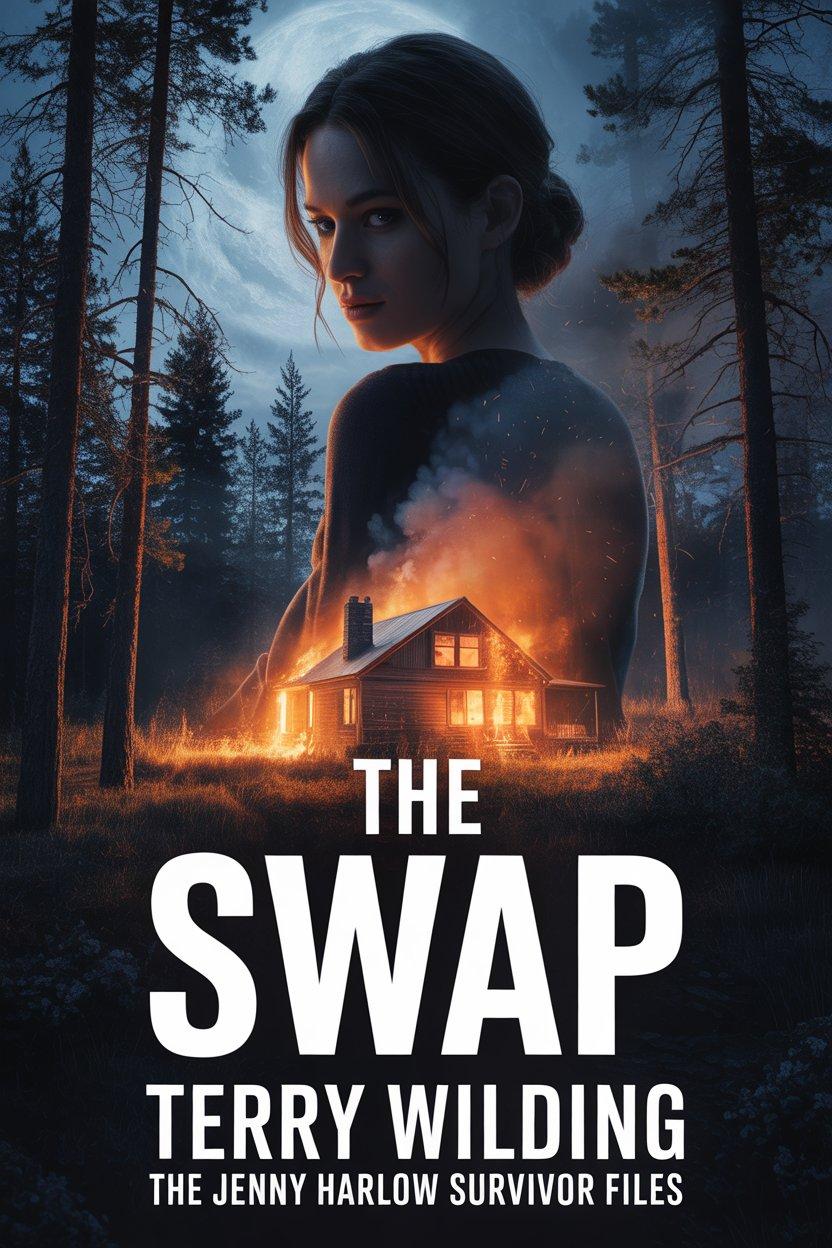
The Swap
Book 1 – Cabin in the blood-soaked woods
Jenny Harlow came to the Blue Moon Bar looking for a spark, and found one. Eleven years of marriage had rusted her sharp edges, but when Rick and Sharla, confident predators with charming smiles, proposed a night of partner swapping in a remote cabin, the monster inside her woke. What began as a drunken dare turned into a live-streamed hunt until Jenny flipped the game.
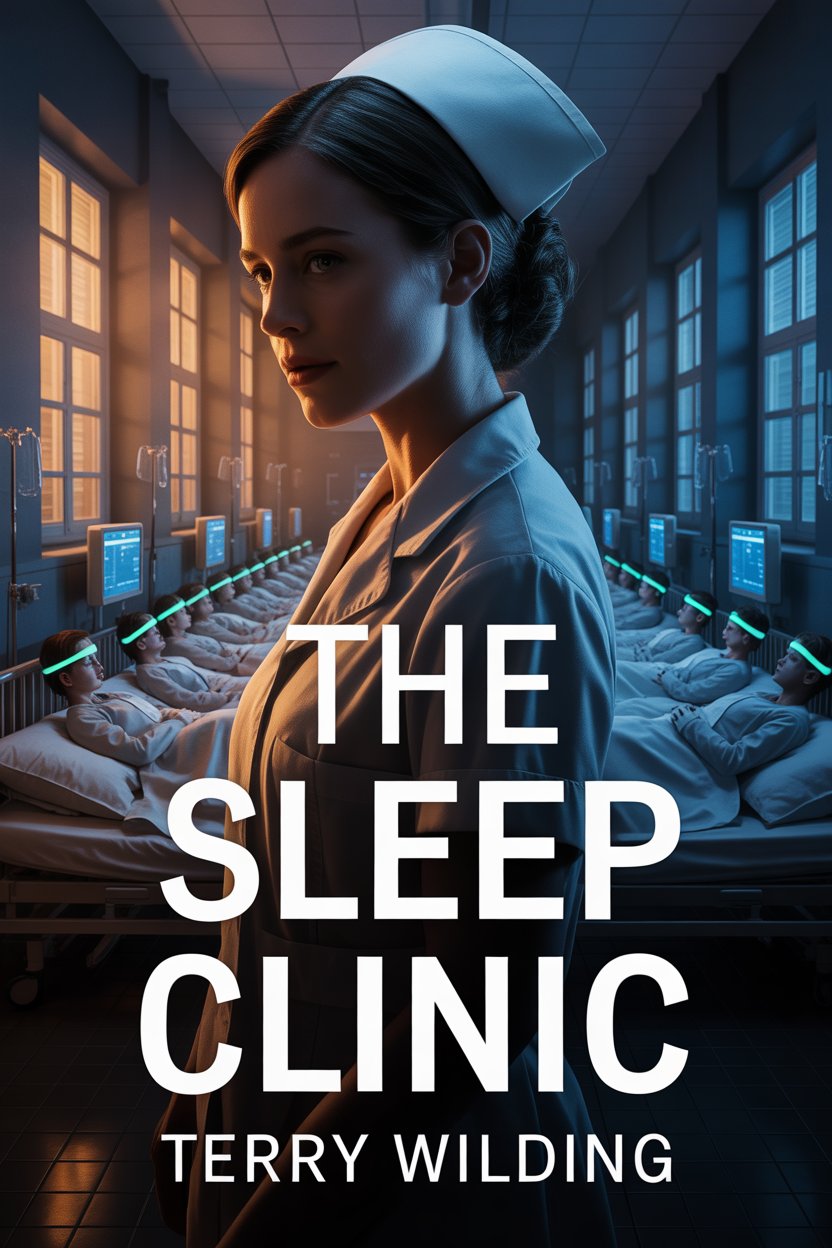
At the Sleepwell Institute, science promised salvation for the sleepless. Six desperate volunteers entered its sterile rooms seeking rest, insomniacs, addicts, the guilty, and the damned. But as Nurse Sarah Rooke monitored their dreams through shimmering neural headsets, something else began to wake.
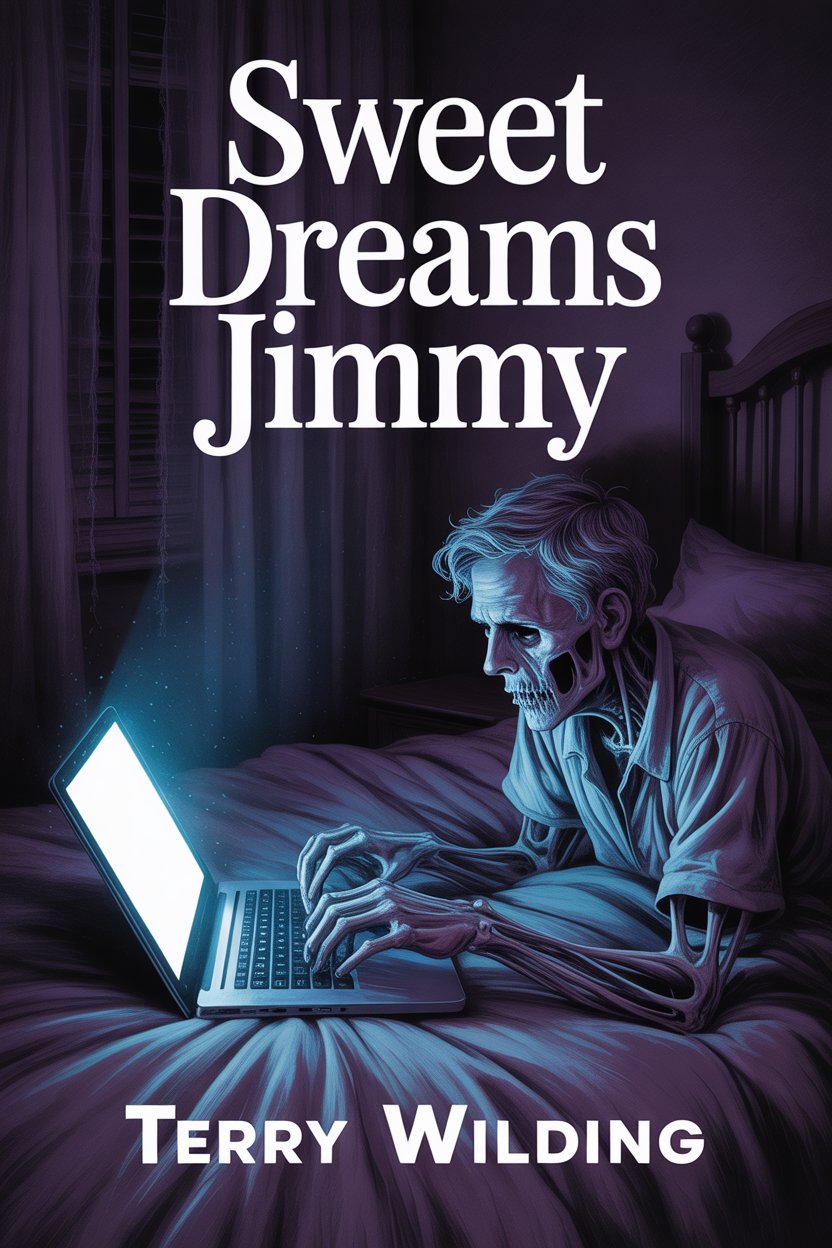
Sweet Dreams, Jimmy by Terry Wilding is a darkly poignant horror tale about a dying man who makes a final online wish, and gets more than he bargained for. When a beautiful, otherworldly woman arrives at his bedside, promising a peaceful death, Jimmy learns that the internet’s reach extends even into the afterlife.
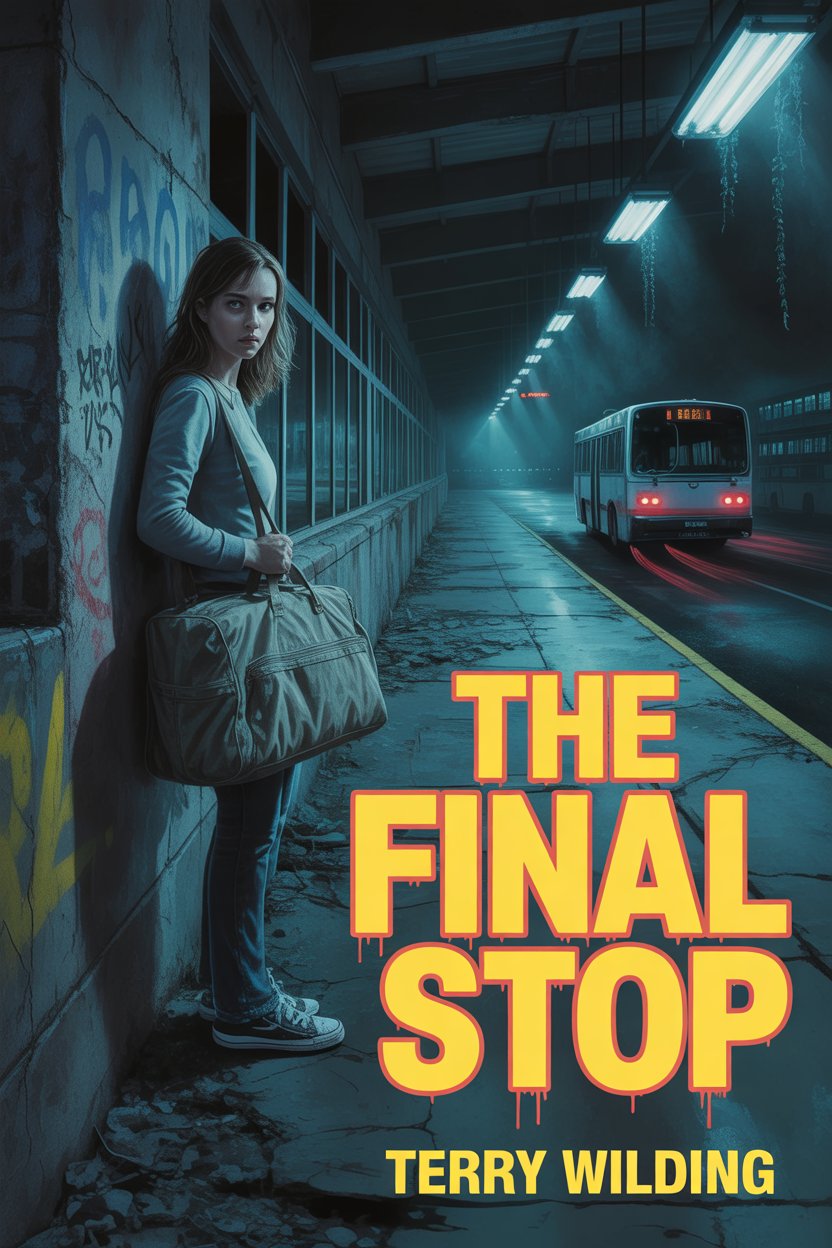
After a long factory shift, Laura boards the last bus home—and wakes to find herself trapped in a deserted terminal frozen at 3 a.m. The exits loop back, the passengers are faceless, and the driver’s grin promises only one thing: this is the final stop.
As you expand the Survivor Files series, keep this list updated.
New readers can see at a glance where to start.
Book 1 The Swap
Origin file • The cabin incident
Book 2 The Sleep Clinic
Optional tie-in • Guilt & experiments
Book 3+ More files coming soon
Future stories featuring Jenny Harlow
About the author
Terry Wilding
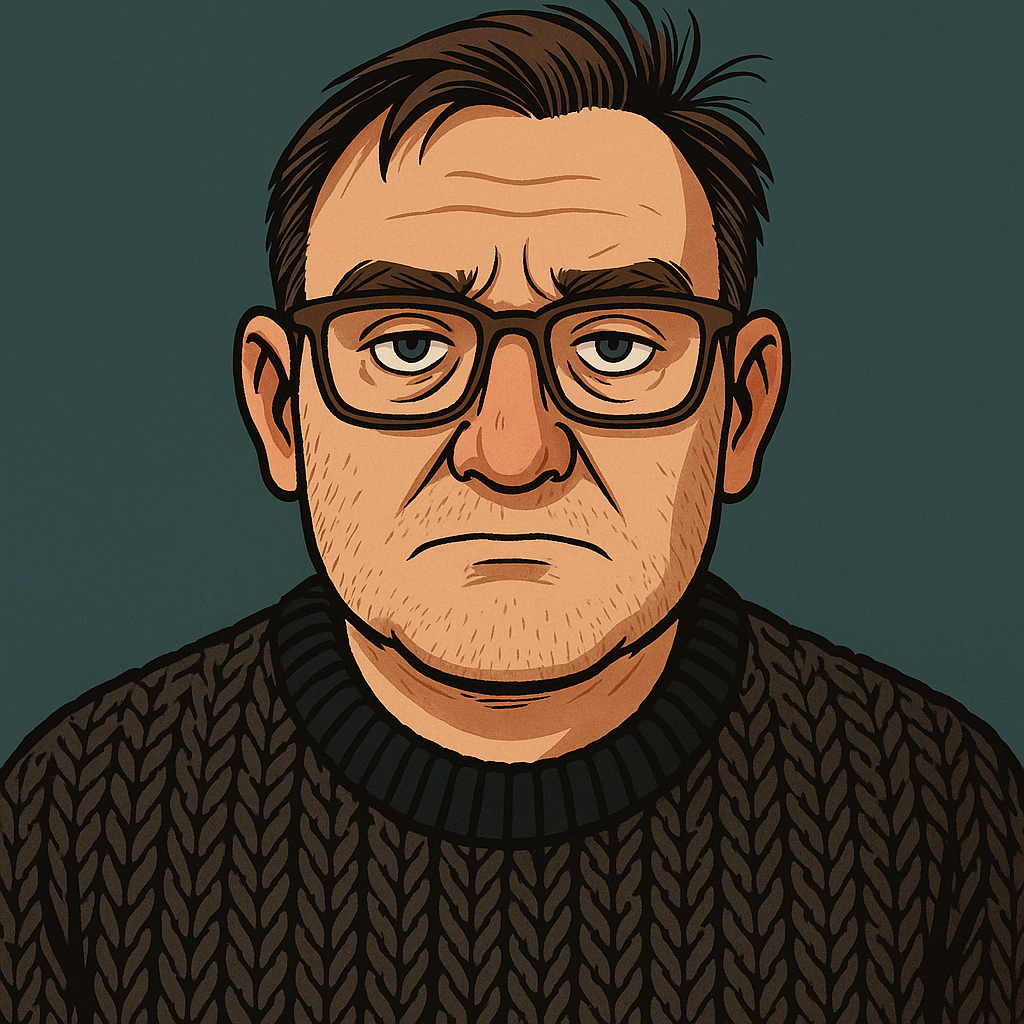
Terry Wilding writes modern horror with an old-school edge: direct,
vicious, but always rooted in character. When he isn’t tearing lives
apart on the page, he works as a university lecturer in computer
science, which turns out to be excellent training for imagining worst-case
scenarios.
Short, high-impact horror stories and novellas.
A focus on flawed survivors, not clean heroes.
Influenced by writers like Richard Laymon and classic paperback horror.
Newsletter
Join the Survivor List
Get notified when a new story drops, plus occasional behind-the-scenes
notes and free extras. No spam, no fluff—just horror.
Elsewhere
Find the stories online
All my stories are available on
LaterPress.
Subscribe and you’ll unlock the entire library—every book, every update, every new release the moment it lands.
Prefer to own titles individually? No problem. Use the “Buy” button to pick up any book on its own
from LaterPress
or selected online retailers.